Top 10 Automotive Tech Trends Defining 2026: From Flying Cars to Affordable EVs


Let’s set the scene. It wasn’t long ago that “automotive technology” meant Bluetooth connectivity and maybe a backup camera. Fast forward to today, and our cars are rapidly becoming smartphones on wheels—sometimes, they’re even preparing to leave the wheels behind entirely.
As we look toward 2026, the automotive industry is shifting gears from “promising concepts” to “production reality.” We are moving past the early adopter phase of electric vehicles into an era of hyper-intelligence, true affordability, and sci-fi dreams coming to life.
Whether you are a gearhead or just a tech enthusiast, here are the Top 10 Automotive Tech Trends that will define the roads (and skies) of 2026.
1. The Rise of the “Affordable” EV
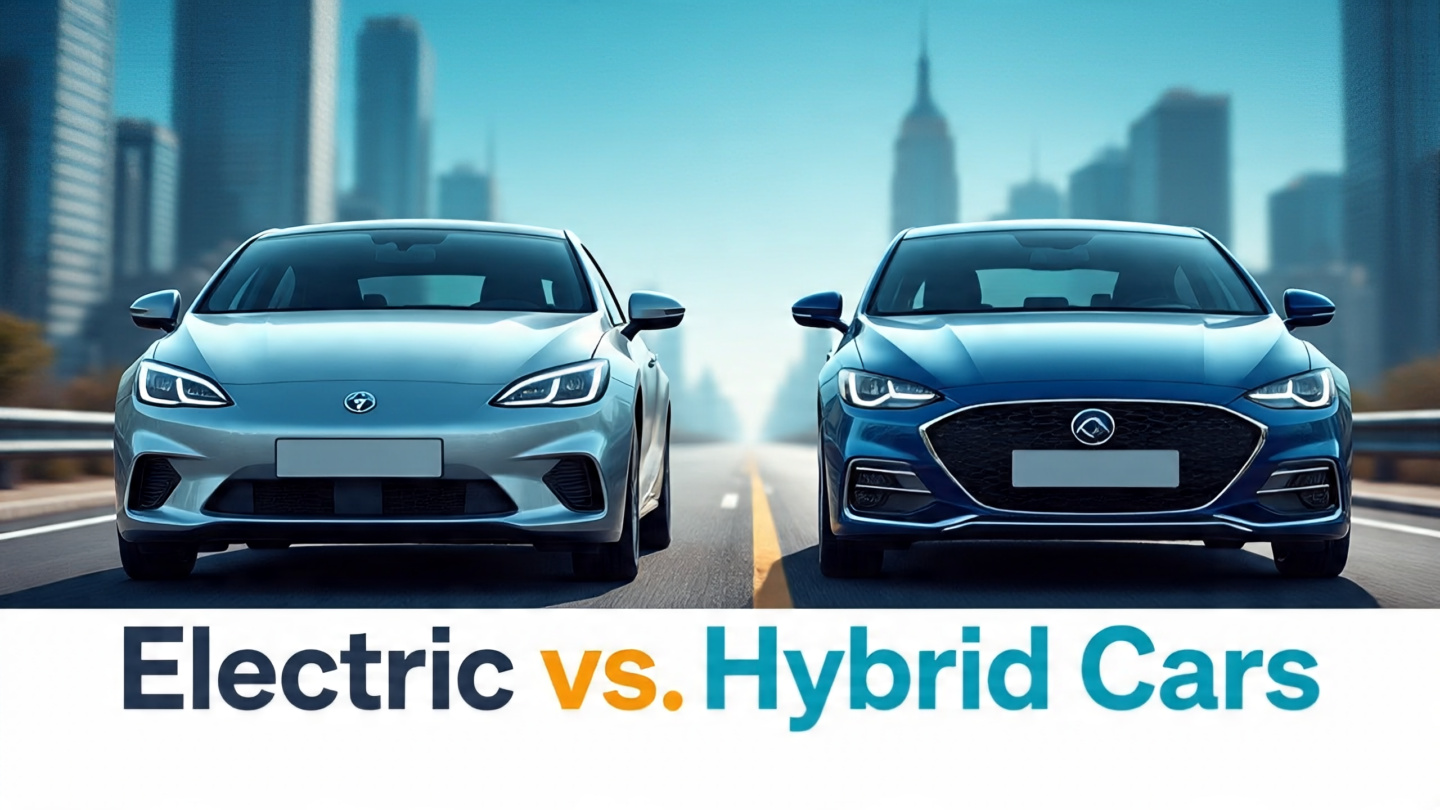
For years, the biggest barrier to electric vehicle adoption has been the price tag. In 2026, that wall is finally crumbling. Major automakers like Volkswagen, Kia, and Renault are launching models targeting the sub-$25,000 (€25k) range. We aren’t talking about golf carts, but fully capable EVs with decent range. 2026 is the year the EV finally becomes a realistic option for the average household, not just the luxury buyer.
2. AI Copilots & “Agentic” AI
Forget simple voice commands like “Call Mom.” The next generation of in-car AI is “agentic” meaning it can think, plan, and act. Powered by large language models (similar to the tech behind ChatGPT), your 2026 car will be able to say, “It looks like traffic is bad on I-95 and your battery is low; I’ve already rerouted us to a fast charger near a coffee shop.”It’s no longer just a dashboard; it’s a proactive co-pilot.

3. Solid-State Batteries Get Real
We’ve been hearing about the “holy grail” of batteries for a decade, but 2026 marks a turning point for pilot testing. Solid-state batteries promise to double the range and cut charging times to under 10 minutes. While mass adoption might still be a few years out, 2026 will see the first premium fleets hitting the streets with this game-changing tech, proving that range anxiety will soon be a thing of the past.
4. Flying Car Prototypes Take Off (Literally)
Yes, we are actually going there. Companies like XPeng and Archer Aviation are moving from computer renderings to certified flight testing. While you won’t be commuting via sky-taxi next Tuesday, 2026 is the year regulatory bodies in the US and China are finalizing the rules of the air. The “eVTOL” (electric vertical takeoff and landing) sector is shifting from fantasy to a regulated industry.
5. The “Software-Defined” Vehicle (SDV)
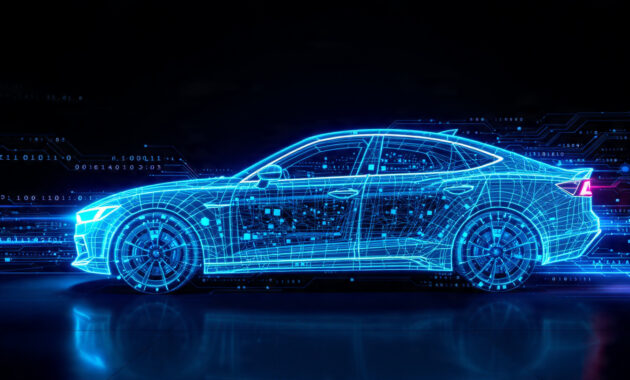
Buying a car used to be a static transaction: what you bought was what you got. In 2026, cars are fully “Software-Defined.” This means your car’s performance, suspension feel, and even horsepower can be upgraded over the air (OTA) while it sits in your driveway. Your car will likely be better three years after you bought it than on the day you drove it off the lot.
6. Level 3 Autonomous Driving Goes Mainstream
Level 3 autonomy where the car drives itself in specific conditions (like traffic jams) and you can legally take your eyes off the road is expanding. By 2026, more manufacturers (beyond just Mercedes and BMW) will offer “eyes-off” capability on major highways. It’s the gift of time: getting your morning emails done while your car handles the stop-and-go commute.
7. In-Car Gaming & The Digital Cockpit
With Sony and Honda teaming up on the Afeela project, the car interior is becoming a moving living room. We are seeing wall-to-wall dashboard screens powered by Unreal Engine 5, capable of playing AAA video games while charging. The car is no longer just for transport; it’s a verified entertainment hub.
8. Vehicle-to-Grid (V2G) Standardization
Your car is essentially a giant battery on wheels. In 2026, V2G technology is becoming standard, allowing you to plug your car into your house to power your home during a blackout or sell electricity back to the grid during peak hours. It turns your vehicle into an energy asset that can actually earn you money.
9. 800-Volt Charging Architectures
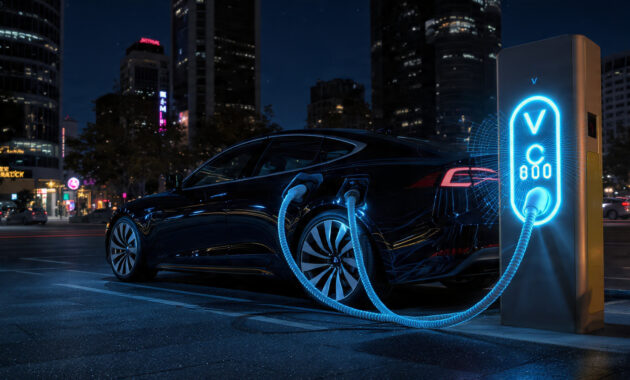
350kW charging speeds are becoming the new normal. The shift to 800-volt architectures (pioneered by Porsche and Hyundai) is trickling down to more segments. This tech allows you to charge from 10% to 80% in roughly 18 minutes. It’s the difference between a long meal and a quick bathroom break.
10. Sustainable “Vegan” Interiors
Leather is out; mushrooms and recycled bottles are in. 2026 luxury is defined by sustainability. We are seeing high-end interiors made from mycelium (mushroom root), cactus leather, and recovered ocean plastics. It looks premium, feels durable, and significantly lowers the carbon footprint of manufacturing.
The Verdict
The road to 2030 is paved with innovation, but 2026 feels like the year the rubber truly meets the road. Whether it’s flying prototypes or cars that pay for their own electricity, the automotive world is more exciting than ever.
Which of these trends would you actually spend money on? Let us know in the comments below!